
Insecurity or Bus Preaching? Oyedepo Tells FG Where Its Focus Should Be
‘People Are Being Killed’: Oyedepo Urges FG to Prioritise Security Over Bus Preaching
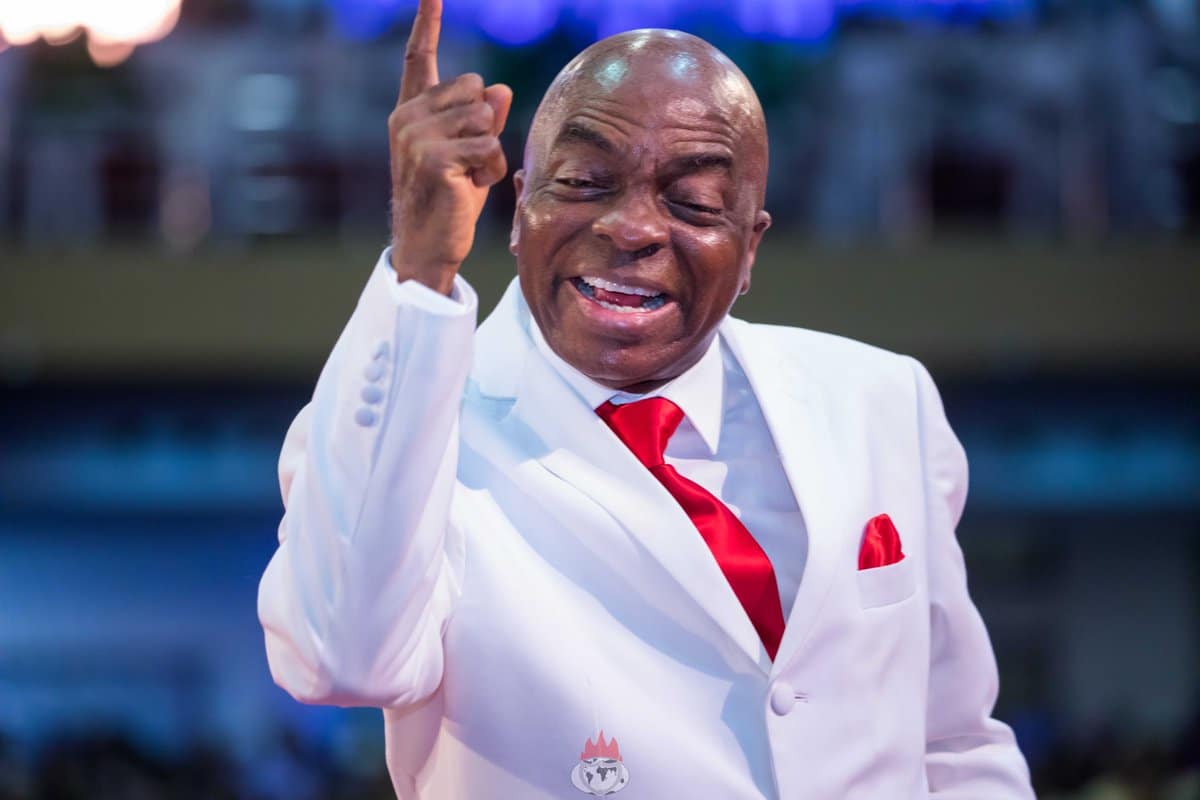
Founder of Living Faith Church Worldwide, Bishop David Oyedepo, has called on the Federal Government to focus on tackling Nigeria's worsening security challenges rather than placing emphasis on regulating religious preaching in commercial vehicles.
The respected cleric made the remarks during a sermon at the church's headquarters in Canaanland, Ota, Ogun State, amid growing public debate over the proposed Federal Road Safety Corps (FRSC) Act (Amendment) Bill, 2026, which has drawn attention for a provision prescribing a ₦50,000 fine for preaching in commercial buses. A video of the sermon circulated widely on social media on Monday, sparking fresh discussions about the bill and the government's policy priorities.
Questioning the relevance of the proposed sanction, Oyedepo argued that public preaching should not be treated as a pressing national concern while communities across the country continue to grapple with kidnappings, killings and other forms of violent crime.
According to him, government efforts should be directed towards addressing insecurity and protecting lives rather than introducing measures that many citizens perceive as restricting religious expression. He also expressed concern over the persistent violence affecting several parts of the country, saying the continued loss of innocent lives demands urgent and decisive action from those in authority.
The comments come as lawmakers and government officials seek to clarify public reactions to the amendment bill. Following criticism from religious leaders and members of the public, the Nigerian Senate stated that the provision relating to preaching in commercial vehicles is not a new law but has existed since the enactment of the FRSC Establishment Act of 2007. According to the Senate, the amendment is intended to improve road safety by reducing distractions that could endanger commuters and motorists, rather than restricting religious activities.
Despite the clarification, the issue has continued to generate debate, with supporters of the proposal arguing that commercial vehicles should remain free from activities capable of distracting drivers, while critics contend that the government should devote greater attention to more urgent national challenges.
Nigeria has in recent years faced rising concerns over insecurity, with incidents of kidnapping, banditry and communal violence affecting several states. Security has consistently ranked among the issues Nigerians identify as a top priority, alongside inflation, unemployment and the rising cost of living.
Political observers say the controversy reflects a broader public conversation about governance and policy priorities. While road safety remains an important responsibility of government agencies, many citizens believe efforts to strengthen public security should receive greater urgency given the impact of violent crime on communities and economic activity.
For readers of FollowGlobalTrends.com, the debate extends beyond the issue of preaching on public transport. It highlights the growing expectation that public policy should focus on addressing the challenges that most directly affect citizens' daily lives. As discussions continue around the proposed legislation, the conversation has increasingly shifted from what should happen inside commercial buses to what government should do to make Nigerians feel safer wherever they travel.