Infantino Suffers First Re-election Setback as FIFA Leadership Debate Intensifies
Gianni Infantino faces his first re-election setback as the battle over FIFA’s future leadership heats up. Welsh FA Withdraws Support for him.
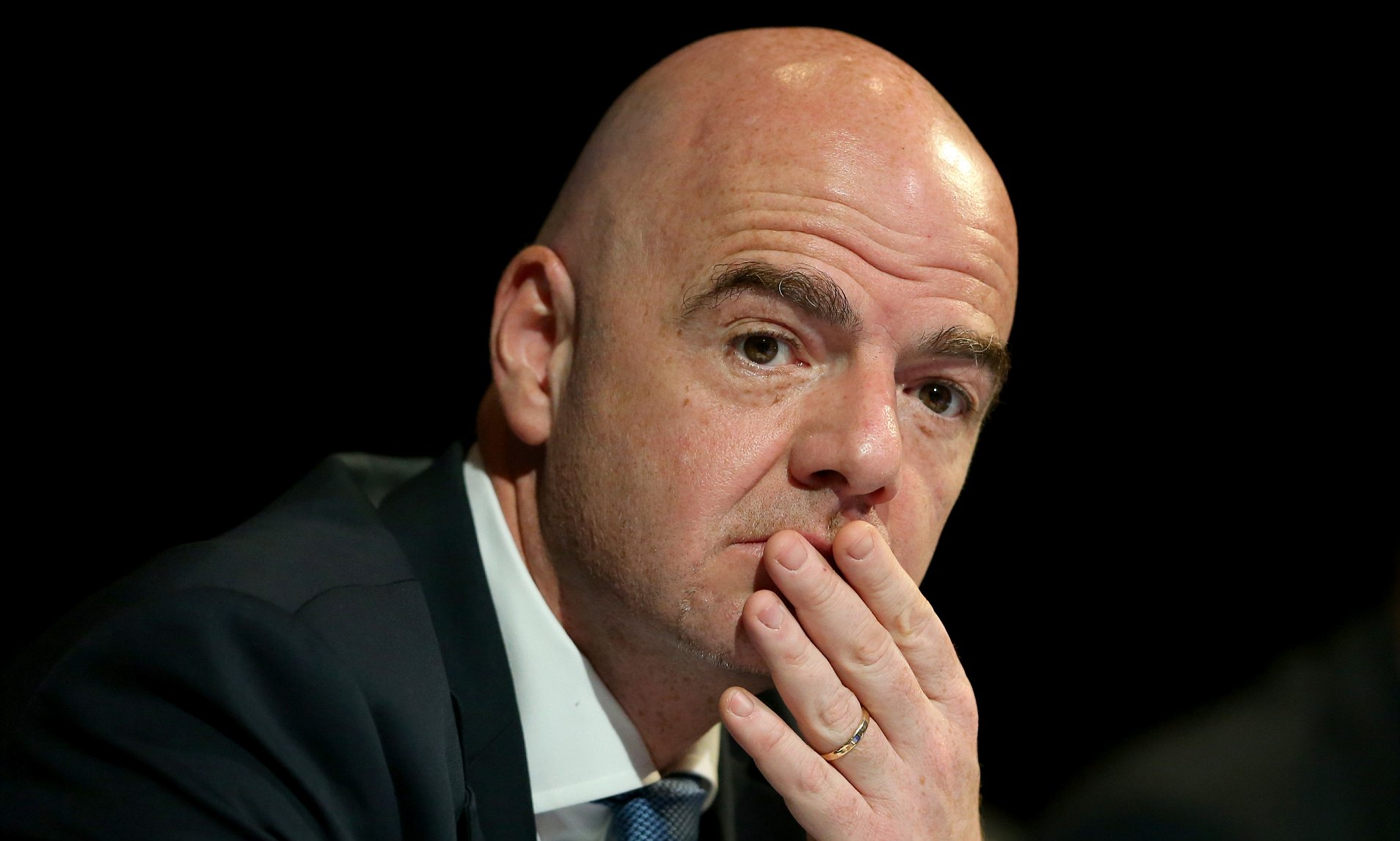
FIFA President Gianni Infantino has suffered the first major political setback of his campaign for another term after the Football Association of Wales (FAW) formally withdrew its support for his re-election, signalling growing unease over his leadership of world football.
The Welsh federation announced on Monday that it would no longer back Infantino's bid for the 2027–2031 FIFA presidency, citing concerns over governance, transparency and recent decision-making within football's global governing body. The move follows the collapse of FIFA's controversial proposal to sell a minority stake in the commercial rights to the FIFA World Cup and other competitions to private investors which attracted widespread criticism from football associations and stakeholders across the world.
In a strongly worded statement, the FAW said recent events had eroded its confidence in Infantino's leadership, arguing that the interests of football had not been placed first. While the Welsh association became the first national federation to publicly withdraw its endorsement, reports indicate that several other football bodies are reassessing their positions ahead of the FIFA Congress scheduled for March 2027 in Rabat, Morocco.
The controversy centres on FIFA's abandoned plan to create a new commercial entity that would oversee competitions including the men's and women's World Cups before selling about 20% of the business to private investors. The proposal was expected to generate billions of dollars in fresh capital, but critics argued that it lacked sufficient transparency and risked commercialising the sport's most prestigious tournaments in ways that could undermine football's long-term interests. Following mounting resistance from UEFA, CONCACAF and several national associations, FIFA shelved the proposal.
For Infantino, who has led FIFA since 2016 and previously secured re-election without opposition, the latest developments represent an unusual challenge to what had once appeared to be a straightforward path to another term. His presidency has overseen major commercial growth, an expanded FIFA Club World Cup, increased investment in women's football and the successful staging of multiple World Cups. At the same time, critics have questioned FIFA's governance, decision-making processes and the concentration of power within the organization.
The Welsh decision could have wider implications if more national associations follow suit. Reports suggest that football federations in England, Sweden and Serbia are also distancing themselves from Infantino's leadership, while UEFA has openly expressed concern over FIFA's recent direction. Although FIFA's president continues to enjoy significant backing from several confederations, particularly in Africa, Asia and South America, the emerging opposition signals that the 2027 election may be more competitive than initially expected.
The episode also reflects a broader debate about the future governance of global sport. As international sporting organizations pursue new commercial opportunities to fund expansion, federations and fans are increasingly demanding greater transparency, accountability and consultation before major decisions are taken.
For football supporters, the dispute extends beyond boardroom politics. Decisions made at FIFA influence everything from the organization of the World Cup and international competitions to investment in grassroots football, youth development and the future direction of the global game. The outcome of the growing leadership debate could therefore shape not only FIFA's governance but also the evolution of football in the years ahead.
For readers of FollowGlobalTrends.com, the Welsh FA's decision is more than an isolated political development. It highlights how governance, trust and accountability have become central issues in modern sport, where the world's biggest sporting organizations face increasing scrutiny from the very members they were created to serve.