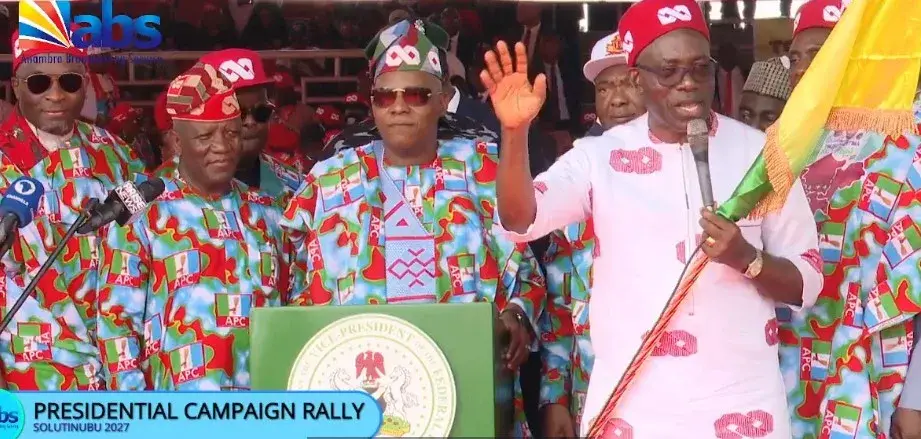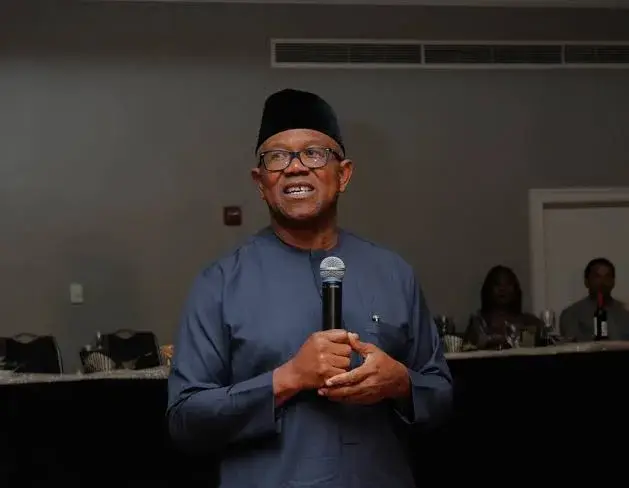
Nigeria's march towards the 2027 general election has entered another important phase after the Independent National Electoral Commission (INEC) published the names, personal particulars and supporting documents of 19 presidential candidates and their running mates, opening the statutory period for public scrutiny and possible legal objections.
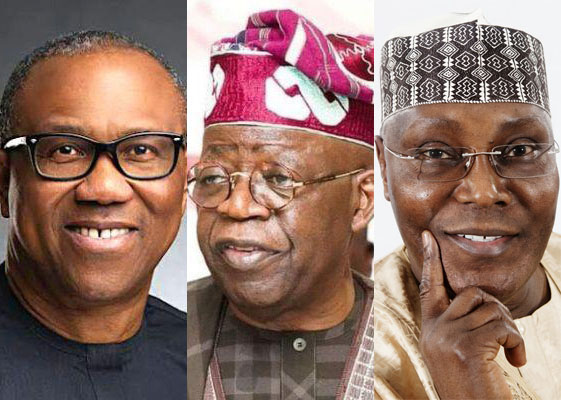
Among the candidates whose details have been displayed are President Bola Ahmed Tinubu of the All Progressives Congress (APC), former Vice President Atiku Abubakar of the African Democratic Congress (ADC) and former Anambra State Governor Peter Obi of the Nigeria Democratic Congress (NDC), alongside 16 other presidential contenders. The particulars of their respective vice-presidential candidates were also published in accordance with the Electoral Act 2026 and INEC's revised timetable for the 2027 general election.
The publication of candidates' credentials is a mandatory step in Nigeria's electoral process and is designed to promote transparency before campaigning enters full swing. By displaying candidates' academic qualifications, affidavits and other supporting documents at its offices nationwide, INEC is giving Nigerians, political parties and interested stakeholders the opportunity to examine the submissions and raise any objections permitted under the law.
Under Section 29(3) of the Electoral Act 2026, the electoral commission is required to publicly display the personal particulars submitted by candidates seeking elective office. Any individual who believes that information supplied by a candidate is false may challenge it through the courts within the period provided by law. INEC itself does not determine the validity of the documents but fulfils its statutory obligation by making them available for public inspection.
The release of the candidates' particulars also offers the clearest picture yet of Nigeria's presidential race. President Tinubu will be seeking a second term in office, while Atiku and Obi, both familiar faces from the 2023 presidential election, are once again among the leading contenders hoping to secure the country's highest office. Their inclusion sets the stage for what is expected to be one of Nigeria's most closely watched elections in recent history.
Beyond the high-profile names, the publication highlights the diversity of political parties participating in the race, underscoring Nigeria's multi-party democratic system. Although attention is likely to focus on the leading contenders, smaller parties will also be looking to use the campaign period to expand their national visibility and influence public debate on key issues such as the economy, security, employment, energy and governance.
Political analysts say the publication of candidates' particulars marks the transition from internal party nominations to broader public engagement. Over the coming months, Nigerians can expect increased campaign activities, policy debates and scrutiny of candidates' records as political parties compete for voter support ahead of polling day.
For voters, the publication serves as an opportunity to move beyond campaign slogans and examine the qualifications, experience and declarations of those seeking the presidency. Civil society organisations, election observers and the media are also expected to play an active role in reviewing the documents and educating the public on the electoral process.
This development signals the formal opening of a crucial chapter in Africa's largest democracy, where transparency, public accountability and informed voter participation will be central to shaping the outcome of the 2027 presidential election.