Iceland Votes No to EU Talks, Keeping Membership Bid on Ice
Icelanders have narrowly rejected a proposal to reopen European Union membership talks, keeping the country outside the bloc despite strong support for closer European ties.
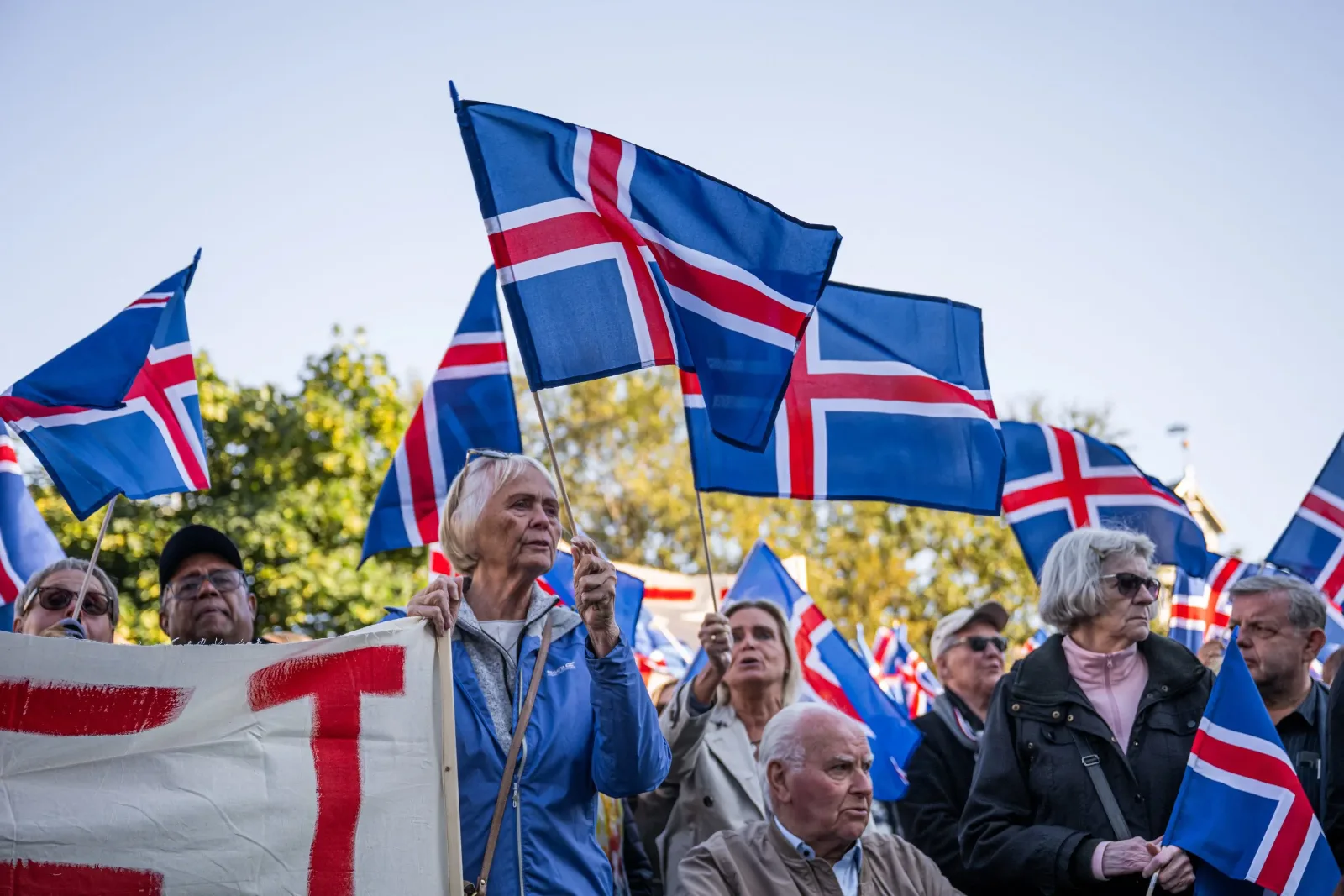
Iceland has voted against reopening negotiations to join the European Union, bringing the latest attempt to revive the country's long-running membership debate to an end, at least for now.
Official results showed 52.8 per cent of voters rejected the proposal, while 47.2 per cent backed restarting negotiations. Turnout was exceptionally high at 82.5 per cent, reflecting the importance attached to a question that has divided Icelandic politics for more than a decade.
The referendum was not a vote on immediate EU membership. Instead, Icelanders were asked whether the government should resume accession negotiations with Brussels. A "Yes" result would have reopened talks, with any eventual membership agreement requiring a separate referendum before Iceland could actually join the 27-member bloc.
Prime Minister Kristrún Frostadóttir had supported reopening the negotiations, arguing that Iceland should reassess its position in a rapidly changing international environment. Her government revived the EU question after years of political reluctance, pointing to economic and geopolitical developments as reasons for reconsidering the country's relationship with Europe.
The proposal, however, ran into a powerful source of resistance: Iceland's fishing industry. Fishing remains central to the country's economy and national identity, and opponents of EU membership warned that joining the bloc could eventually place Iceland's fisheries under the EU's Common Fisheries Policy. Reuters reported that the industry accounts for about 15 per cent of Iceland's GDP and roughly 40 per cent of its export revenue.
Supporters of reopening talks countered that negotiations would give Iceland the opportunity to determine precisely what membership would mean before making a final decision. They also argued that EU membership could provide greater economic stability and a stronger political and security relationship with Europe at a time of heightened geopolitical uncertainty.
That security argument had gained additional weight during the campaign because of heightened tensions in the Arctic and comments by US President Donald Trump concerning Greenland. Iceland's strategic position in the North Atlantic has brought renewed attention to its role in European and transatlantic security, although voters ultimately did not consider that enough to justify reopening accession talks.
The result also exposed a pronounced geographical divide. Reykjavík's two constituencies voted in favour of restarting negotiations, while rural and coastal areas rejected the proposal by much wider margins. The Northwest, Northeast and South constituencies each recorded "No" votes above 60 per cent, illustrating how concerns over fisheries and national control remain particularly strong outside the capital.
Iceland's relationship with the EU will not suddenly change because of the referendum. The country is already deeply integrated with the bloc through the European Economic Area, which gives it access to the EU single market, and through the Schengen free-movement area. Iceland is also a member of the European Free Trade Association.
The vote is also technically consultative rather than legally binding. Nevertheless, Frostadóttir's government had committed itself to respecting the outcome. The prime minister has said the EU membership question will not be brought back onto the political agenda during her current mandate, which runs until 2028. The government has indicated that Parliament would determine whether Iceland should formally withdraw its existing EU membership application.
Iceland's EU story began in the aftermath of the 2008-09 financial crisis, when the country formally applied for membership in 2009. Negotiations subsequently progressed through a number of areas before a Eurosceptic government halted the process in 2013. The application was never formally withdrawn, leaving the door technically open for a future government to revisit the issue.
For the European Union, the result is a setback at a moment when Brussels has been seeking to strengthen and expand its European partnerships. EU officials had indicated that Iceland's existing alignment with European rules could make accession comparatively straightforward, while also acknowledging that sensitive areas such as fisheries and agriculture would need careful treatment.
For Iceland, however, the referendum has reaffirmed a preference for the country's current middle ground: close economic and travel links with Europe without surrendering formal national control to the EU. The narrow margin also makes clear that the question has not disappeared so much as been postponed. With almost half of voters supporting renewed negotiations, Iceland's relationship with Europe will remain an important political question—and the next debate may be shaped as much by changing security and economic realities as by the country's enduring determination to control its own waters and resources.