‘I Will Restore It’: Atiku Disowns Aide as Fuel Subsidy Fight Intensifies
Atiku Abubakar has rejected a key detail given by one of his aides about his fuel policy, insisting that his commitment to restore subsidy if elected has not changed.
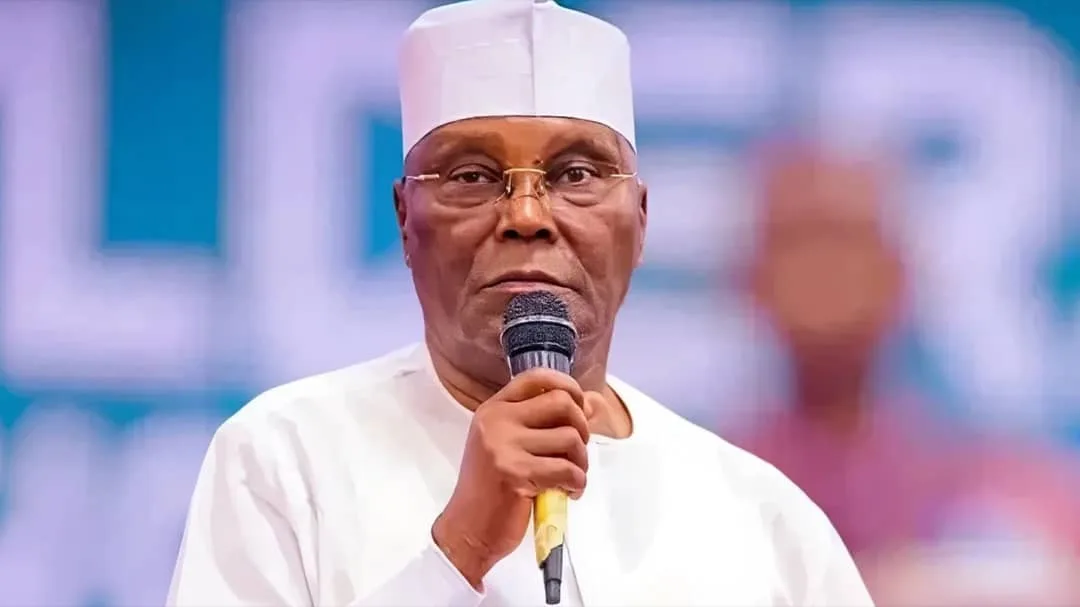
Former Vice President and African Democratic Congress presidential candidate Atiku Abubakar has moved to settle confusion over his fuel subsidy proposal, publicly disowning comments by his media aide Paul Ibe and insisting that he will restore subsidy if elected president in 2027.
Atiku's clarification came after Ibe said in an interview with the African Independent Television that an Atiku administration would restore petrol subsidy temporarily and later phase it out once the economy had recovered. Ibe described the proposed intervention as different from Nigeria's former import-dependent subsidy system, saying it would instead be linked to crude oil production and domestic refining.
Atiku, however, said Ibe was not speaking with his authority. In a statement published after the interview, the ADC candidate said his position had not changed and that he would restore subsidy, arguing that Nigeria's resources should be used to protect citizens from economic hardship.
“I will restore it!” Atiku said, maintaining that the purchasing power of Nigerians should be a central measure of economic performance. He argued that removing fuel subsidy without adequately protecting household incomes has contributed to a chain of higher transportation, food and living costs.
The former vice president's position is now clearer than the formulation offered by his aide. Atiku's camp has said the proposed policy would involve a targeted, capped and independently audited intervention aimed primarily at supporting domestic refining and production rather than returning to the old system of subsidizing imported petrol. His spokesman Phrank Shaibu described Ibe's remarks as an unauthorized and materially misleading interpretation of the candidate's policy.
The distinction matters because Nigeria's previous subsidy system became associated with enormous government expenditure, opaque pricing arrangements and allegations of fraud. President Bola Tinubu abolished the petrol subsidy in his inaugural address on May 29, 2023, triggering a sharp increase in petrol prices and contributing to a broader cost-of-living crisis.
Atiku has argued that the reform could have been justified if the money saved had been transparently redirected towards development, security, education and measures that improve household welfare. He has repeatedly questioned what happened to the savings from subsidy removal. The government, however, says the reform created significant fiscal resources for the federation rather than a single pool of cash waiting to be distributed. Finance Minister Taiwo Oyedele said last week that the removal generated ₦15.8 trillion in resources for the Federation between June 2023 and December 2025.
The Presidency has strongly opposed Atiku's proposal, describing it as economically unsound and politically motivated. President Tinubu has defended the removal as a necessary reform, while the State House has challenged Atiku to explain how any replacement subsidy would be financed, verified and protected from the abuses associated with the previous system.
The proposal has also attracted criticism from outside government. The Independent Media and Policy Initiative warned that restoring a subsidy could unsettle investors by suggesting Nigeria was reversing its move towards deregulated downstream petroleum markets. The group argued that a return to government-supported fuel pricing could weaken regulatory certainty and discourage investment in the sector.
Atiku's supporters, meanwhile, argue that the debate should not be reduced to whether subsidy is good or bad in theory. Their argument is that Nigerians are already paying the price of higher energy costs and that government has a responsibility to intervene where the market leaves households and businesses unable to cope. Atiku has framed his proposed approach as targeted relief designed to lower energy costs, support domestic production and restore purchasing power rather than revive what he calls the old import racket.
The dispute is likely to remain one of the defining economic issues of the 2027 presidential campaign. It pits Tinubu's argument that Nigerians must move beyond petrol subsidies against Atiku's case that economic reform means little if ordinary citizens cannot afford the cost of living.
For Atiku, the immediate task is now to turn a politically attractive promise into a workable economic proposition. Saying subsidy will return is one thing; determining its annual cost, funding source, legal structure, beneficiaries and safeguards against abuse is another. As Nigerians weigh the competing visions ahead of 2027, the real test will not simply be who promises cheaper fuel, but who can demonstrate how that relief can be delivered without recreating the fiscal problems that helped make the old subsidy system unsustainable in the first place.