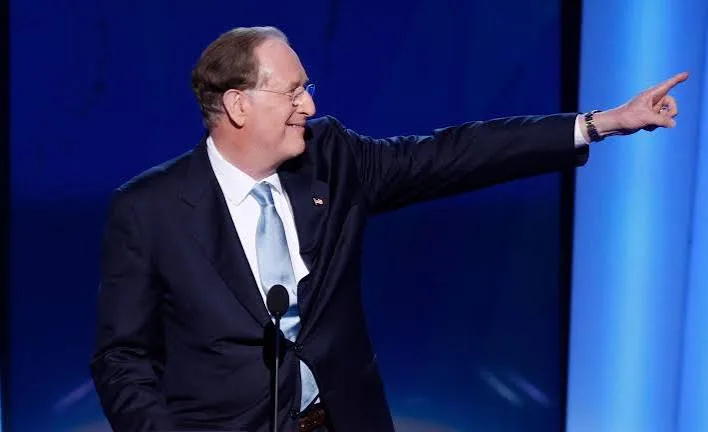
In a significant moment for American political history, Jay Rockefeller dies at 89, concluding a distinguished five-decade career in public life.
Family representatives confirmed that the veteran lawmaker passed away peacefully at his Washington residence. The official announcement was shared through family liaisons, though a specific medical cause of death was not immediately released. Tributes quickly poured in from across the political spectrum, honouring a leader who bridged immense inherited wealth with tireless advocacy for working-class communities.
Born into the famed oil dynasty, the great-grandson of industrialist John D. Rockefeller chose a very different path from his family’s traditional Republican roots. He entered public life as a dedicated Democrat, establishing deep personal ties with Appalachian coal communities that defined his entire career.
Transformative Leadership in Healthcare and Coal Communities
Public health advocates noted that as Jay Rockefeller dies at 89, his enduring legacy centres on transforming medical access for underserved families.
After serving two terms as governor of West Virginia between 1977 and 1985, he won election to the United States Senate in 1984, serving five consecutive terms. During his thirty years in the upper chamber, he emerged as a principal architect of the Children’s Health Insurance Program. The landmark initiative brought medical coverage to millions of working-class children who did not qualify for government aid.
He also led the fight to protect pension guarantees and medical benefits for retired coal miners suffering from respiratory illnesses. His legislative career cemented his reputation as a tenacious defender of mining families and military veterans.
National Security Oversight and Lasting Impact
Colleagues across Washington reflected on his consequential public service as Jay Rockefeller dies at 89, remembering his principled stewardship of congressional intelligence.
As chairman of the Senate Intelligence Committee, he played a critical role in congressional oversight of national defence operations and post-war foreign policy. He gained widespread respect for demanding accountability from executive agencies while advocating for stronger federal veterans programs.
He retired from the Senate in early 2015, stepping away from public office to spend his later years with his family. He is survived by his wife, Sharon Percy Rockefeller, along with their children and grandchildren, leaving an indelible mark on West Virginia history.